
01 / MODULE
ALMAXIA LABS
Test the hypothesis
Experiments, field observations and research protocols that make the unknown legible.
Open module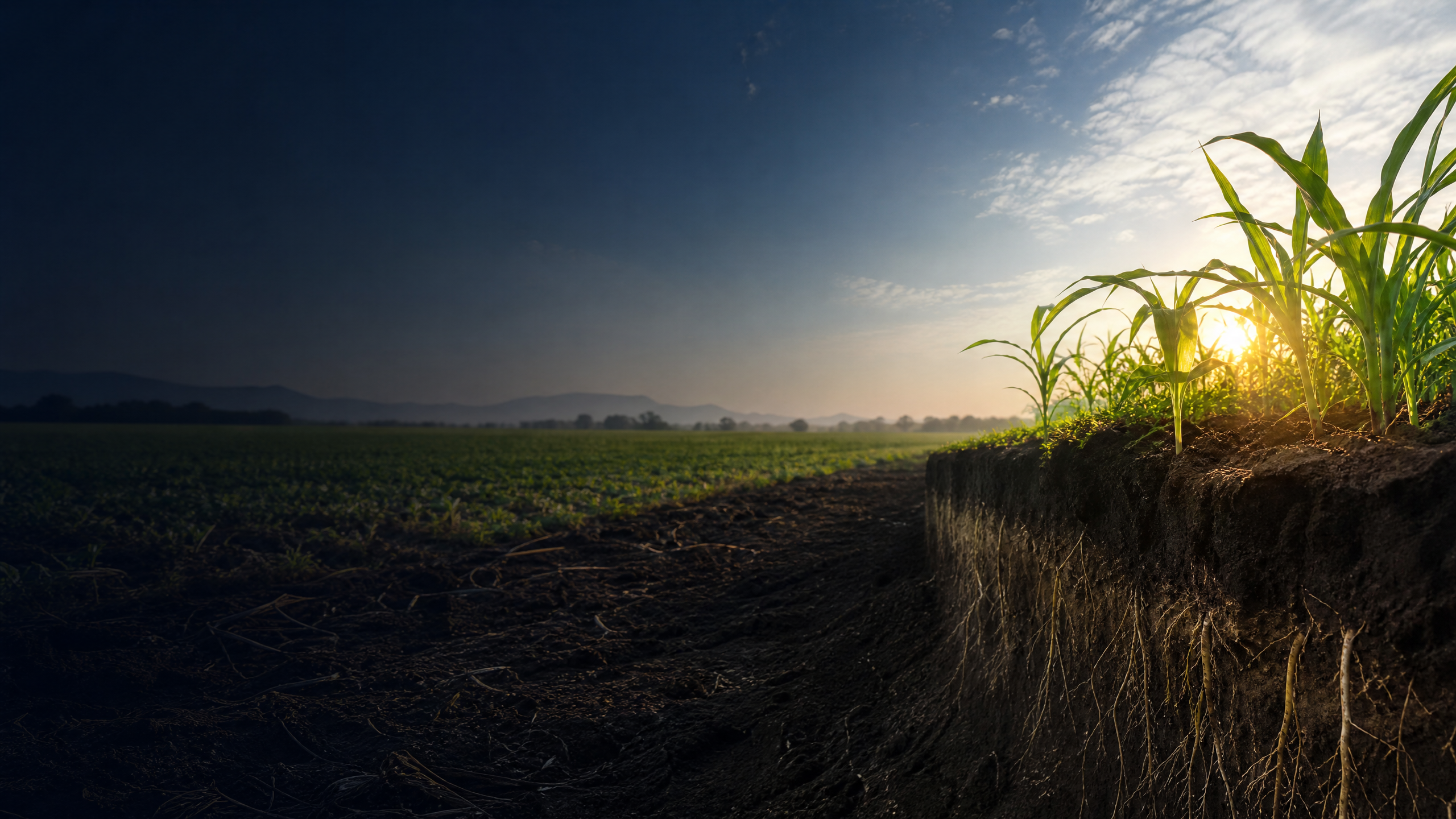
Soil is the productive asset beneath every agricultural decision. ALMAXIA is designing an evidence architecture intended to bring soil, field operations, satellite, machinery, drones and agronomist observations into a shared context for future yield, cash-flow and institutional decisions.
Most Agtech isolates either wet lab assays, remote sensing algorithms, or financial registries. ALMAXIA binds all three into a single deterministic verification architecture.
Experiments, field observations and research protocols that make the unknown legible.
Open modulePortfolios, cohorts and workflows for teams working across lending, insurance and agriculture.
Open moduleA causal and provenance layer for entities, measurements, methods, confidence and relationships.
Open moduleIn conventional agricultural finance, soil is usually treated as a cadastral parcel and collateral. Its changing condition is rarely represented as a dynamic production signal shared by the farmer, bank, insurer and agronomist. Yet soil condition influences the productive capacity of the field, the stability of yield and the cash flow generated by the operation.
Agricultural data already arrives from many systems: FMS platforms, soil and laboratory analysis, satellite observation, machinery, drones and agronomist activity. These systems record valuable signals, but the signals remain distributed across sources, formats and operational contexts. The challenge is not another feed. It is a shared context in which those signals can be interpreted together.
A field observation, a satellite signal and an operational event only become decision-relevant when their provenance, timing and relationships remain visible together.
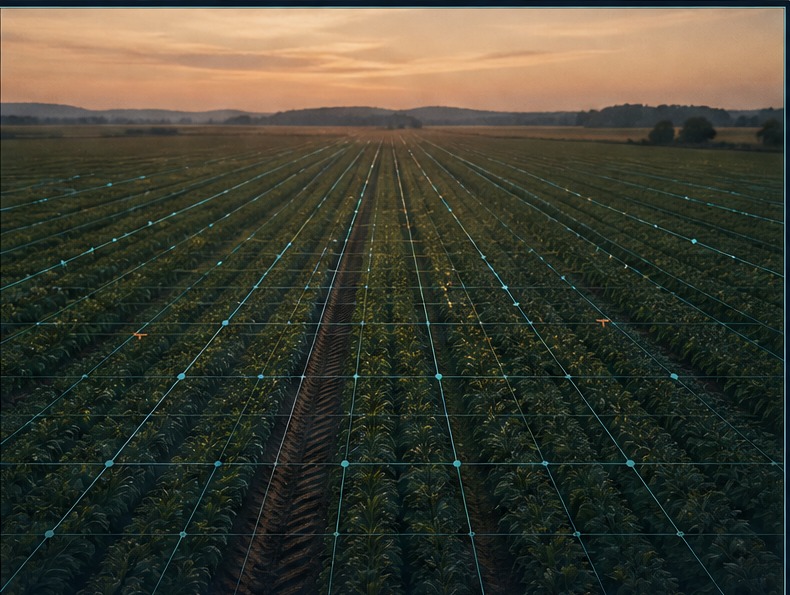
The architecture is designed to normalize and relate soil analysis, satellite observation, tractor and FMS telemetry, drone surveys and agronomist operations for the people responsible for future decisions.
Chemistry, root-zone observations and laboratory protocols.
Territory-scale patterns, change and seasonal context.
Machine activity, routes, timing and operating conditions.
High-resolution crop and field observations for verification.
Operational notes, interventions, inspections and decisions.
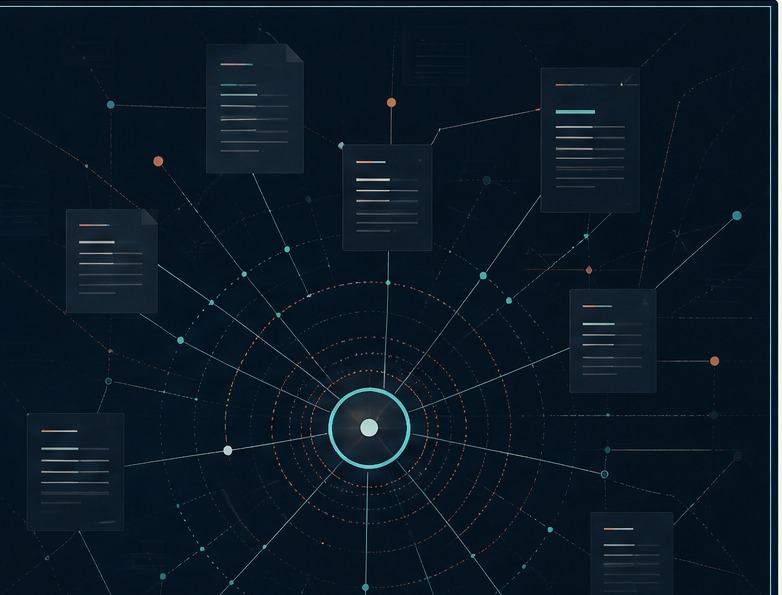
A layered AI architecture designed to unify agricultural data, reasoning logic and operational actions. It brings technical, scientific, empirical and implicit knowledge into a shared agricultural knowledge base, creating a coherent path from fragmented signals to decision-ready context.
Designed for production visibility and earlier intervention.
Designed for evidence-backed field planning and verification.
Designed for comparable context across farms and seasons.
Designed for future portfolio and lending review workflows.
Designed for future underwriting and claims-context exploration.
Designed for future provenance and decision-trail review.
Structured field-level context designed to survive staff and season changes.
Designed for future tamper-evident evidence and independent review.
The same evidence can be read by the people working the field, advising it, financing it or reviewing its claims. ALMAXIA is designed as a white-box layer, not a black-box verdict.
Pain. Soil and field history can scatter across agronomists, seasons and paper reports; institutional knowledge can leave with staff.
What changes. A structured field-level record designed to persist across staff turnover and season changes, with decisions and their basis documented closer to the moment.
Neutrality. Recommendations are not shaped by a fertilizer, seed or equipment brand.
Pain. A soil test can return numbers rather than a decision, while advice and proof of field work remain difficult to document.
What changes. Soil information is designed to become field-specific context that follows the field, even when an agronomist or supplier changes.
Neutrality. ALMAXIA has no stake in which input, service or equipment you choose next.
Pain. Each engagement can produce a PDF that does not build on the last one, while independence may be questioned when advice is tied to referrals.
What changes. A field-level evidence base is designed to accumulate across clients and seasons with consistent professional terminology.
Neutrality. Advisory output is kept separate from a commercial interest in what gets recommended.
Pain. Soil-carbon MRV can be manual and dependent on project-reported data, while independent evidence is difficult to obtain efficiently.
What changes. The architecture is being developed around a no-data, no-score principle and a tamper-evident trail designed for independent review; rollout is not complete.
Neutrality. ALMAXIA issues no credits and is not the audit; it is designed as the evidence layer underneath it.
Pain. Collateral and production-risk assessments can rely on inconsistent data, while field practices are difficult to verify without a site visit.
What changes. The architecture is designed for an independent, standard-referenced field and soil view that could plug into credit and risk workflows as a defined data layer.
Neutrality. ALMAXIA is not a lender, input seller or broker and has no position in the credit decision.
Pain. Underwriting and claims can depend on field evidence that is slow, inconsistent or disputable, creating cost and information asymmetry.
What changes. The target architecture is intended to support one independent field-level record for underwriting and claims, with conditions evidenced closer to when they occurred.
Neutrality. ALMAXIA is neither the insurer nor the insured and has no claim outcome to protect.
Remote sensing and field operations are part of the evidence layer ALMAXIA is designing to make a living production system more observable — without flattening the reality behind the signal.
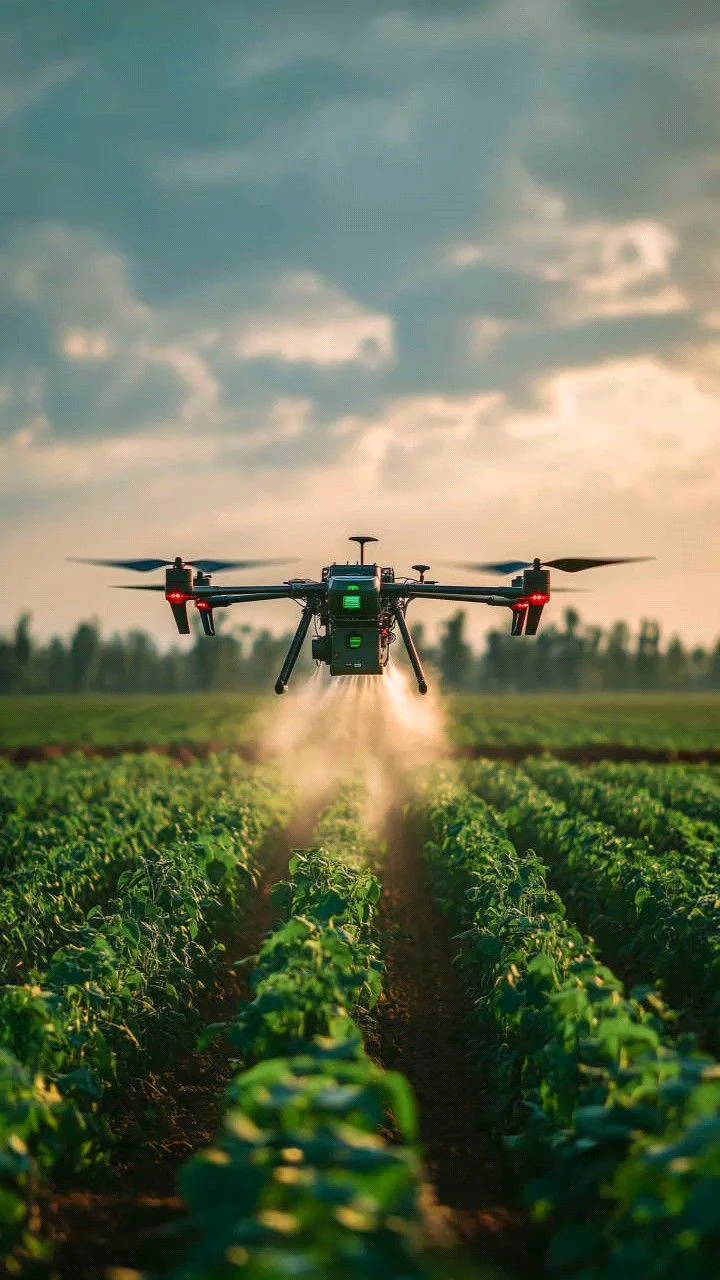
For future bank and insurance workflows, agricultural performance should not be reduced to an abstract score. The intended context connects field scale, stewardship, seasonality and the decisions made before the outcome.
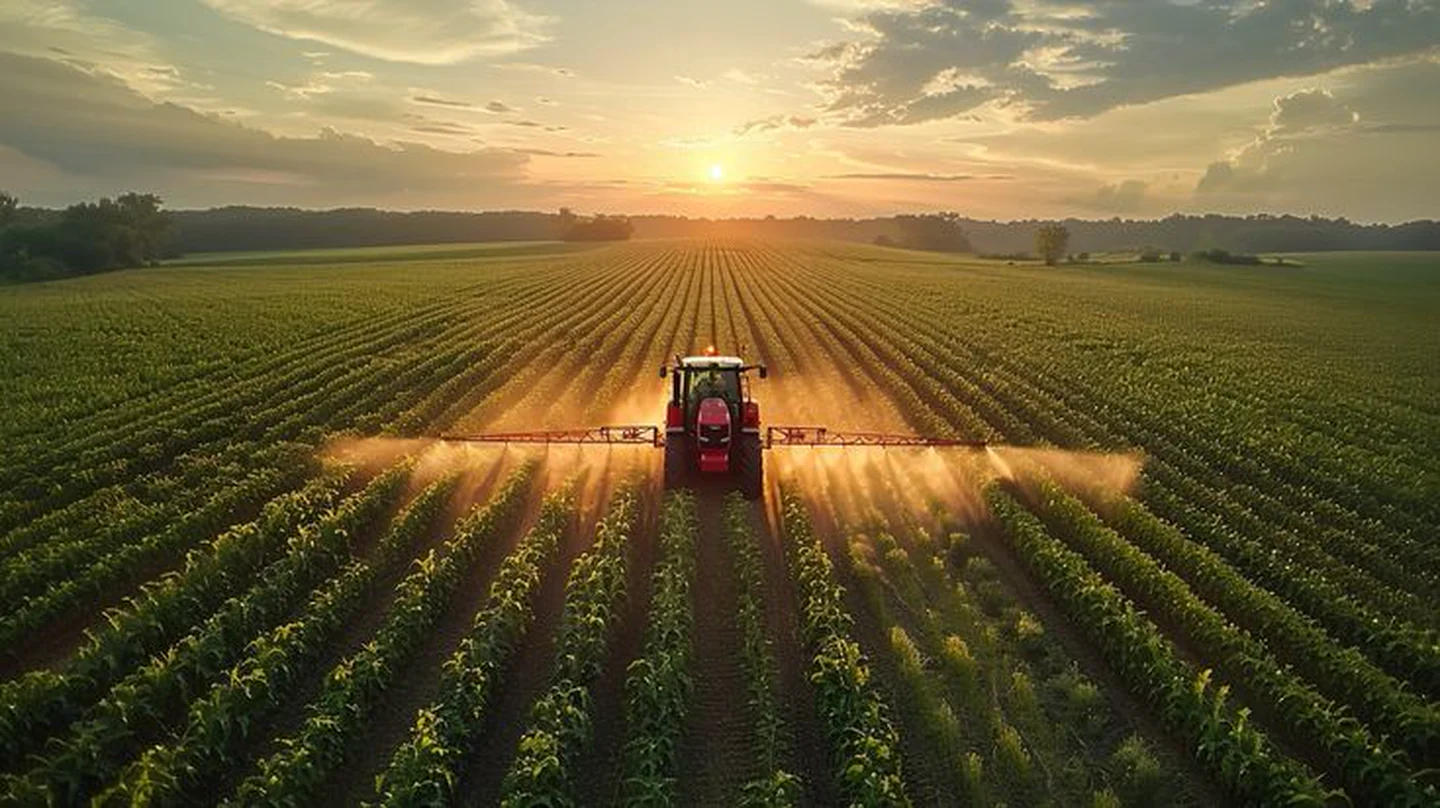
The intended direction is a path from field observation to institutional decision context, with provenance designed to remain visible throughout.